Table of Contents
An embassy communications officer once spent the first ten minutes of an embassy video production planning call explaining protocol before we ever discussed the actual video, who gets addressed by title, where the flag needs to sit in frame, who has to approve the final cut back at the ministry. That is not bureaucracy for its own sake. Embassy video production runs on protocol the way corporate video runs on brand guidelines, and if you do not know the difference going in, you will step on something you did not know was there.
Here is the real talk. DC has more embassies and international organizations per square mile than almost anywhere on earth. Most production companies here have never actually worked inside that world, they know how to light a CEO, not how to handle an ambassador’s title card or a headquarters approval process that runs through a second country’s time zone.
What makes embassy video production different
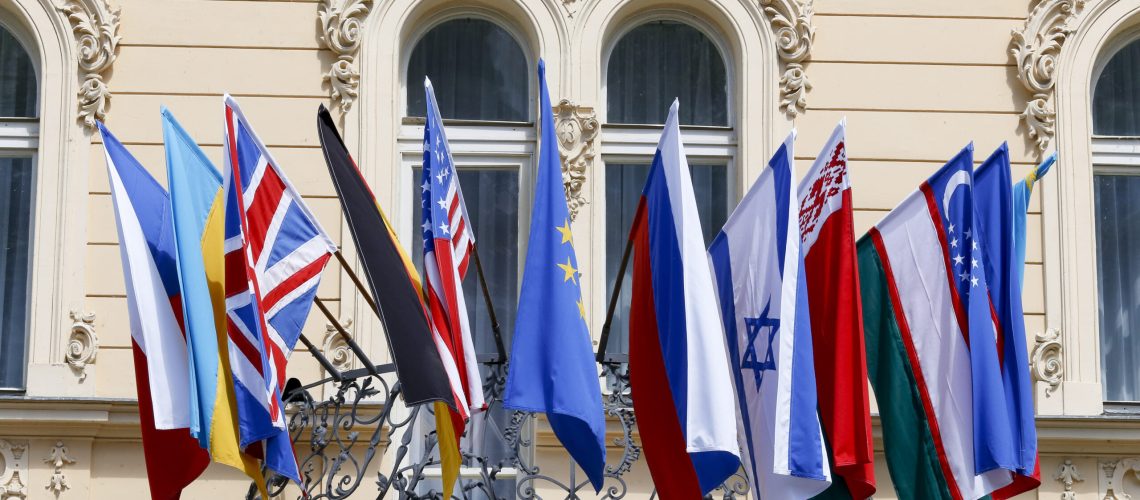
Protocol matters as much as production value. Correct titles, correct flag and seal placement, correct order of appearance if multiple officials are on camera. Get this wrong and the video does not just look bad, it can cause a real diplomatic headache.
Approval often runs through headquarters, not just the local office. A video for a DC-based embassy or international org may need sign-off from a ministry or headquarters overseas, which means longer timelines and more review rounds than a typical corporate project.
Language and translation needs. Subtitles, dubbing, or multiple language versions are common, plan for this in the budget and timeline from the start, not as an afterthought after the edit is locked.
How to plan an embassy or international org shoot
Start the protocol conversation before the shoot plan, not after. Ask directly: who needs to approve the final cut, are there title and address requirements, does the flag or seal have specific placement rules, is translation needed and in how many languages.
The U.S. Department of State Office of the Chief of Protocol publishes general guidance on titles and precedence worth a look before your first embassy shoot, even though your specific contact will have the final word. This kind of stakeholder-heavy planning is the same discipline behind our event videography in Washington DC work for conferences and convenings.
Frequently asked questions
How much extra time should we budget for approval?
If headquarters sign-off is required overseas, add real buffer, often several additional weeks beyond a standard corporate timeline. Ask early in the process so it is not a surprise.
Do you need to know diplomatic protocol to film for an embassy?
You need to know enough to ask the right questions and follow direction from the embassy’s own communications team, who will have the specific protocol requirements for their country.
Can you handle multiple language versions of one video?
Yes, this is a planning and budget question more than a production one. Build it into the scope from day one rather than adding it after the edit is finished.
Producing video for an embassy, international organization, or diplomatic event in DC? We build the protocol conversation into the plan from the first call. See our corporate video production approach.