Table of Contents
A client asked us once about drone restrictions in Washington DC, wanting ‘just a quick drone shot’ over their venue near the Mall. Simple request, right up until you realize the whole city sits inside some of the most locked-down airspace in the country. Not tight, not restricted, prohibited, for basically everybody, without a rare federal waiver. That is not us being cautious. That is literally federal law, and it applies whether you knew about it or not.
Here is the real breakdown of drone restrictions in Washington DC, straight from the FAA, not a guess. The airspace over the National Capital Region is split into two rings. The outer ring, out to about 30 nautical miles from Reagan National Airport, is the Special Flight Rules Area, the SFRA. The inner ring, the first 15 nautical miles, is the Flight Restricted Zone, the FRZ, and that inner ring covers the entire District of Columbia plus Arlington, most of Alexandria, McLean, Falls Church, and the inner suburbs on the Maryland side too.
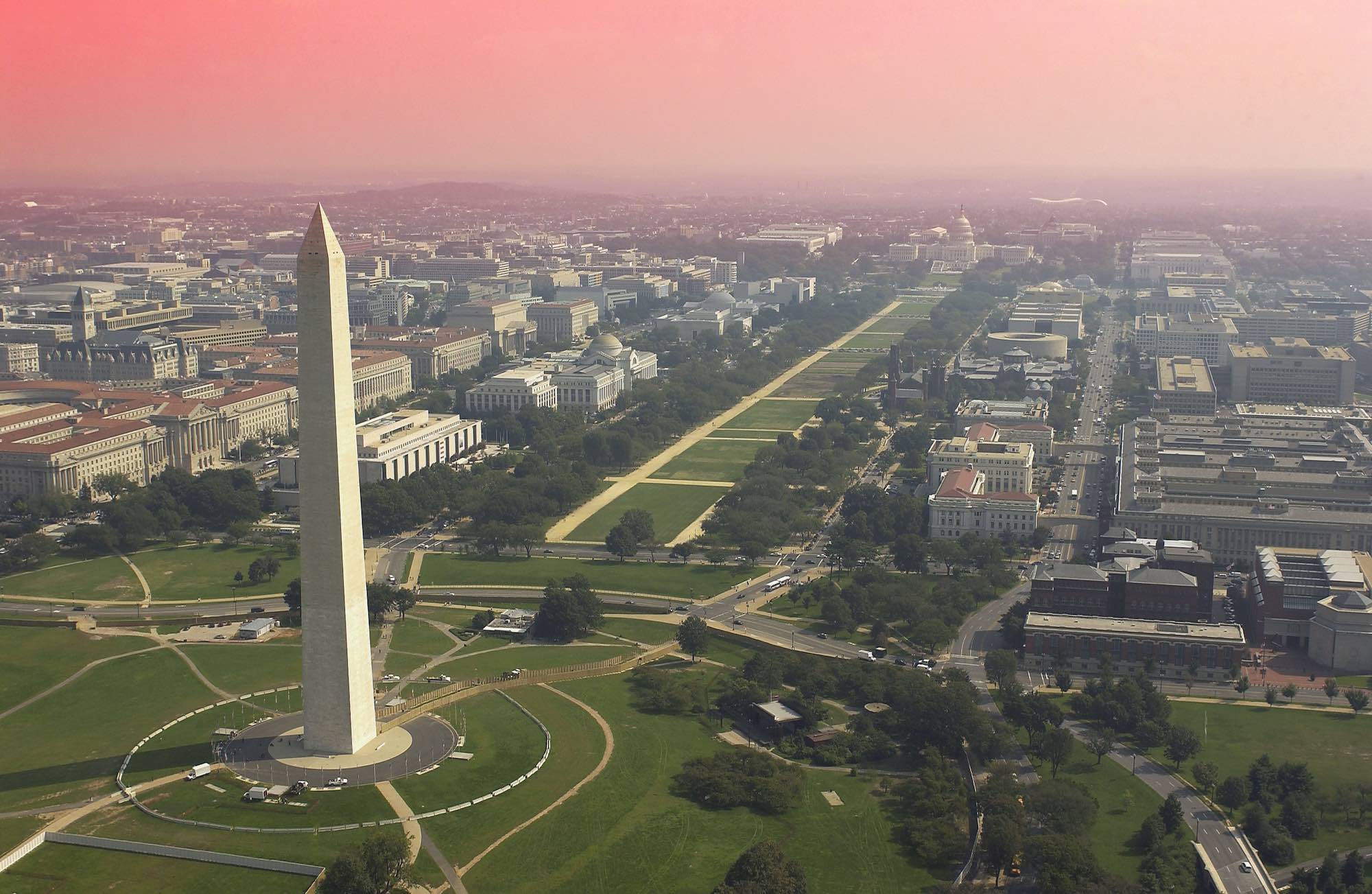
What drone restrictions in Washington DC actually prohibit
Inside the FRZ, drone flight is prohibited, full stop, without specific FAA authorization. Not a permit you apply for and get in a week. Per the FAA’s own published guidance, this applies to recreational flyers and licensed Part 107 commercial operators alike. There is no shortcut through certification. Being a licensed drone pilot gets you nothing extra inside the FRZ without separate federal authorization on top of that license.
Between 15 and 30 nautical miles out, the outer SFRA, the rules loosen but do not disappear. Recreational flight is allowed under federal exception with FAA compliance, and commercial Part 107 flight is allowed but requires SFRA-specific authorization plus standard LAANC approval. If your venue is inside the Beltway, on either the Virginia or Maryland side, assume you are in the restricted inner ring until you have specifically confirmed otherwise.
Why this was built this way
This is not bureaucratic overcaution. The FRZ was established after 9/11 as national defense airspace to protect government buildings and critical infrastructure, and it is enforced accordingly. Waivers into the FRZ exist on paper but are rare and require coordination across the FAA, TSA, and law enforcement. This is not something a production company can shortcut for you, no matter how good the crew is.
What this means for planning your shoot
If your event or shoot is anywhere inside DC proper or the inner Beltway suburbs, plan the video around ground-based coverage, not an aerial shot, unless you have started a federal waiver process months in advance with a realistic chance of approval. The good news is DC does not need an aerial shot to look cinematic, a well-planned ground shoot at the right time of day gets you the iconic backdrop without touching federal airspace law at all. See our corporate video production approach for how we plan around this.
Frequently asked questions
Can a licensed Part 107 pilot fly a drone in DC?
Not inside the Flight Restricted Zone without separate FAA and TSA authorization. A Part 107 license alone does not grant access to the FRZ, that is a common and costly misunderstanding.
Are there any exceptions for small or short drone flights?
No. The restriction is based on airspace and location, not the size of the drone or the length of the flight. A 30-second flight is treated the same as a 30-minute one under the FRZ rules.
What is the alternative if we really want an aerial look?
A few options: use existing licensed stock aerial footage of DC landmarks, film from a permitted rooftop or elevated location instead of a drone, or pursue the federal waiver process well in advance if aerial footage is truly essential and your timeline allows for it.
Planning a DC shoot and wondering what is actually possible? We help clients plan around the SFRA and FRZ instead of finding out about them the hard way. See our event videography in Washington DC approach.